A big buzz word in education right now is Gamification. But Gamification is not as simple as just sitting kids in a computer lab or on ipads to play educational games. Gamification is an interactive approach that requires both independence and team work. Gamification takes ordinary tasks and regular classroom activities and routines and transforms them into fun, engaging learning experiences by using gaming based strategies, incentives and interactions.
When incorporating the use of technology into lesson plans, gamification allows you to use a number of different apps and programs alongside real world tasks and interactions. This means gamification is very adaptable when it comes to constantly changing technology and software, and also doesn’t cast aside low tech learning methods. It is not about which equipment or app you are using, but rather the ability to source out ways to solve problems and achieve set tasks both independently and as part of a team.
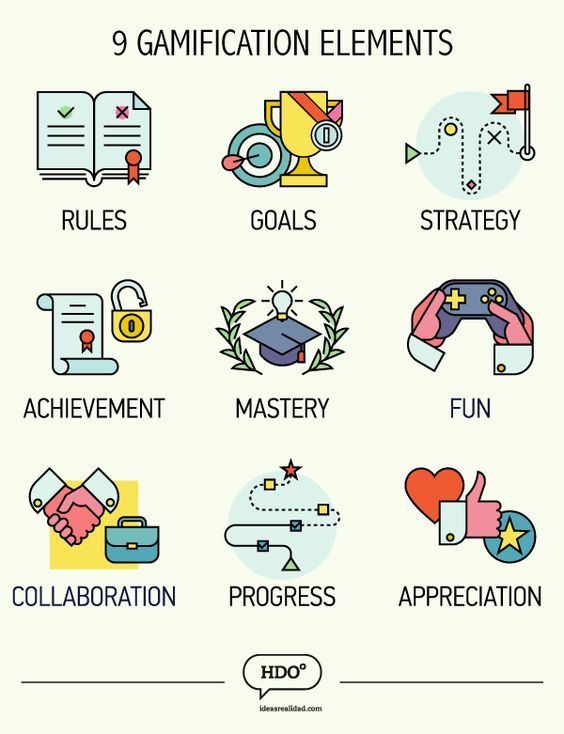
As explained on the infographic from Ideas Realidad, gamification lesson plans require students to follow a set of “game rules”, it should include goals for students to work toward, involve the use of strategy and problem solving tasks, an ability to progress to the next level (achievement and unlocking new levels/tasks), an opportunity to master important skills, fun, teamwork, opportunities to advance and progress and appreciation for their efforts by means of small rewards and incentives.
Image via ideasrealidad.com
Using Gamification to Create Digital Escape Rooms
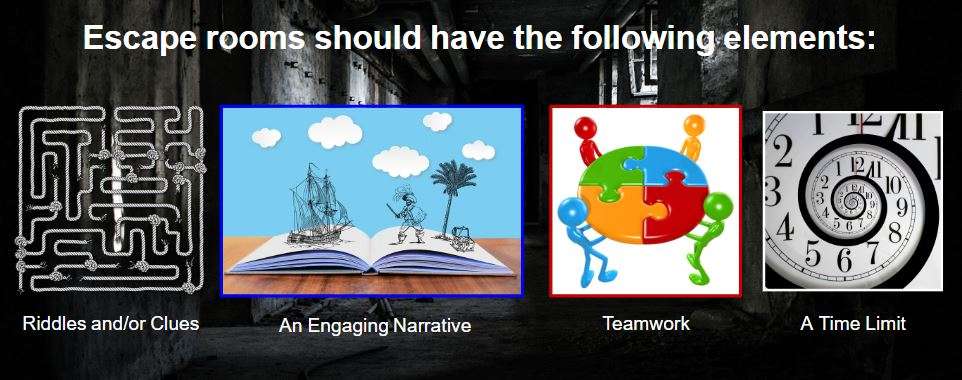
One exciting way to use Gamification in the classroom, is by designing Digital Escape Rooms. This involves students engaging in an intriguing and mysterious storyline as they work together to looks for clues and solve riddles and find the information needed to move on and unlock the next stage of the labyrinth, all within a limited time period.
Image via Mesa Public Schools
Makri et al express the importantance of following proper educational principles and pedagogy when designing an escape room activity, to ensure that there are set educational goals and outcomes to acheiv, rather than a simple recreational activity.
They state there are four main issues that need to be considered:
- Learning objectives
- Single or Multidisciplinary theme: will the activity be focused on one main learning outcome, or will it aim to cover a broader span of learning outcomes
- Soft Skills: small interactive games which help students practice communication and teamwork skills
- Troubleshooting: challenges requiring collaborative thinking to solve problems
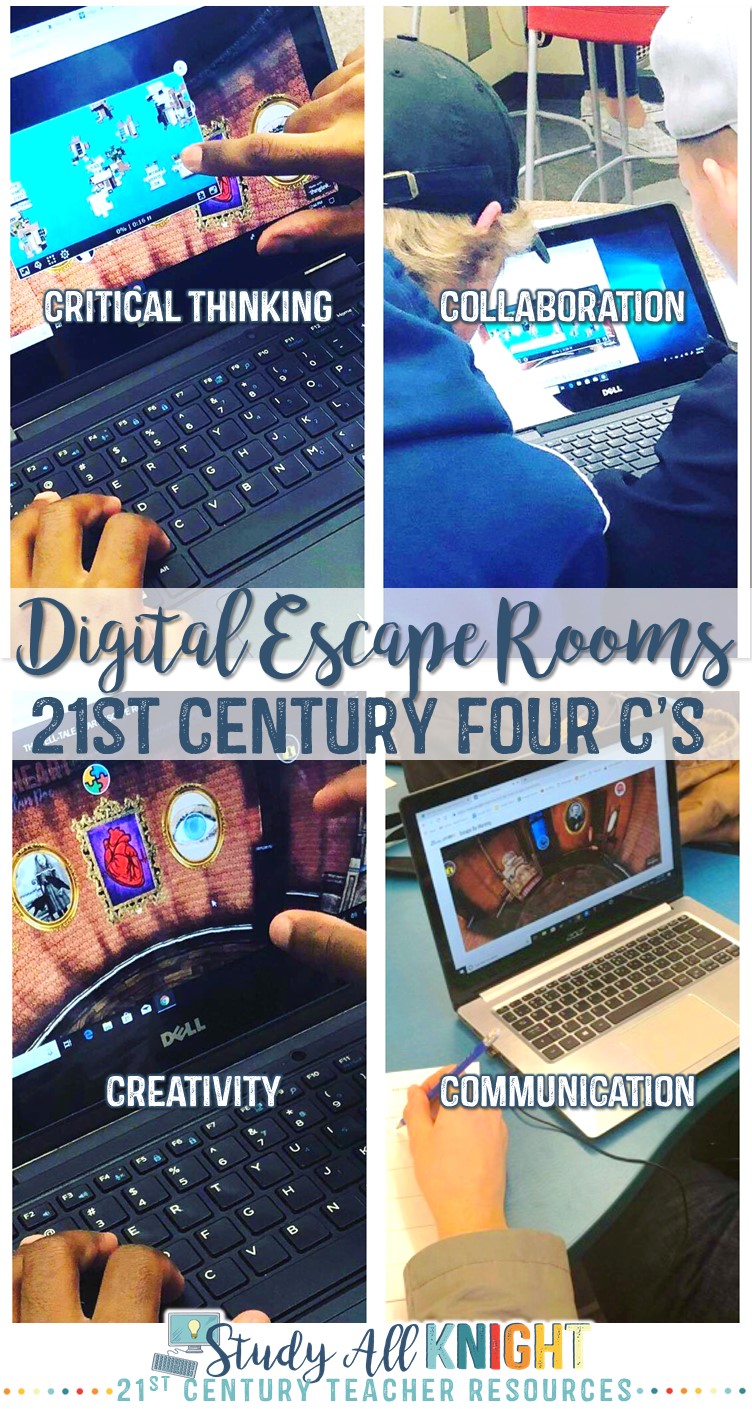
Danielle Knight uses a platform she calls the 21st Century Four C’s. This stands for Critical Thinking, Collaboration, Creativity and Communication.
Collaboration and Communication go hand in hand when working as a team to find solutions to puzzles, Creativity and Critical Thinking is what is required in order to solve the problems.
Makri states that one of the pros of Digital Escape Room activities is that they are not biased toward any particular gender or physical ability, and they are inclusive for neurodiverse students. In fact they say those students are often a part of the most successful teams, due to their ability to look at things from a diverse perspective and see things from a unique perspective and think outside the box.
Danhoff says that escape room activities are not even limited by the age of the students. Students from kindergarten right through to university, can participate in learning via digital escape room activities. She says for students not yet literate, audio can be added to digital content and clues.
Image by Addie Williams via Study All Knight
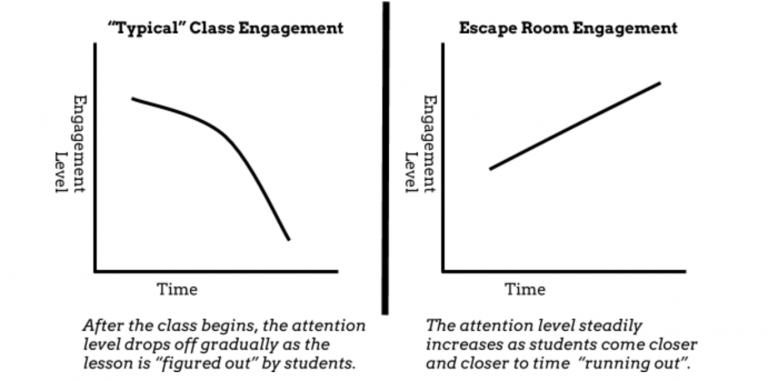
Teacher and specialist in lesson design Nate Ridgeway emphasised the importance of time limits, in keeping students driven and engaged in the learning activities. He created this very simple line graph to illustrate the attention levels of students in a standard pen and paper lesson, compared to those trying to beat the clock in an escape room activity.
In conclusion Digital Escape Rooms are an inclusive, engaging, multidisciplinary experience which incorporate a broad range of technologies and cater to all different learning styles and ability levels. Definitely a useful learning tool for the Alpha generation and beyond.
Resources
- Danhoff, Christine. (2022). Using Digital Escape Rooms to Make Learning Fun. Edutopia. https://www.edutopia.org/article/using-digital-escape-rooms-make-learning-fun
- Ideas Realidad website http://ideasrealidad.com
- Knight, Danielle. Classroom Digital Escape Rooms and the 21st Century Four Cs. https://www.studyallknight.com/classroom-digital-escape-rooms/
- Makri, Agoritsa & Vlachopoulos, Dimitrios & Martina, Richard. (2021). Digital Escape Rooms as Innovative Pedagogical Tools in Education: A Systematic Literature Review. Sustainability. 13. 4587.
- Mesa Public Schools website. Escape Rooms https://www.mpsaz.org/edtech/resources/escaperooms/
- Ridgeway, Nate. Digital Escape Rooms in Your Classroom. ClassTime Blog https://www.classtime.com/blog/digital-escape-rooms/
 Educating Gen Alpha